
How Business Analysts Use LimeSync to Generate PDDs from Real Client Conversations
James Christie
Anyone who’s written a PDD knows the pain.
Hours of client workshops. Recordings. Notes. Whiteboards. BPMN diagrams scattered across tools. And then the real work starts: turning all of that into a clean, structured Process Design Document that everyone can actually agree on.
LimeSync was built to remove that gap.
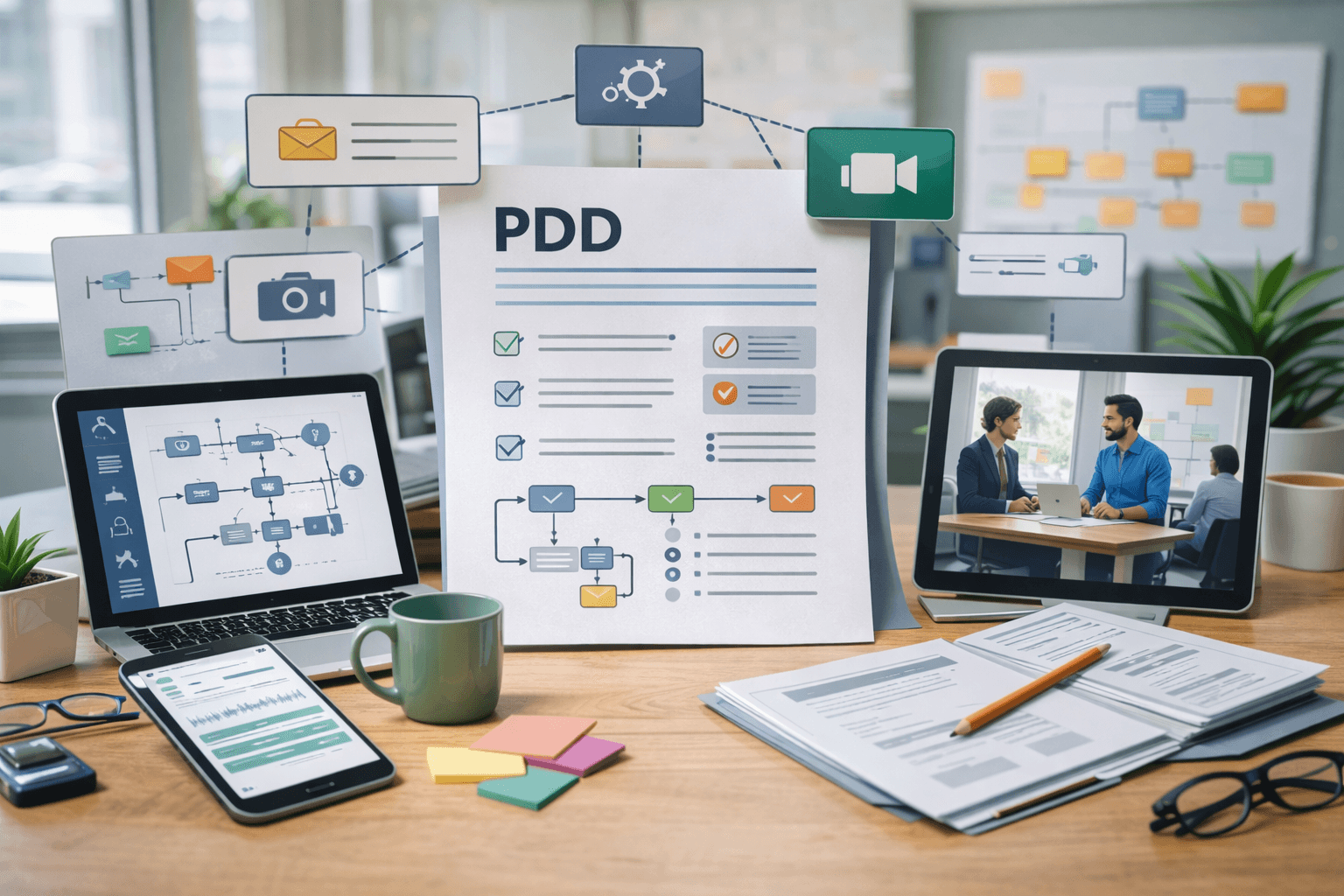
Instead of rewriting everything manually, LimeSync lets Business Analysts generate PDDs directly from the raw materials they already use — client meeting recordings, walkthrough videos, BPMN diagrams, and supporting documents — using templates that they define.
Turn real client meetings into structured PDDs
Client discovery sessions are rich with detail, but they’re also messy. Decisions evolve mid-conversation, edge cases pop up casually, and key requirements are often buried in side comments.
With LimeSync, BAs can:
Upload recorded client meetings or workshops
Automatically transcribe and analyse discussions
Extract processes, decisions, assumptions, and open questions
Generate a first-draft PDD aligned to their preferred structure
No more starting from a blank document.
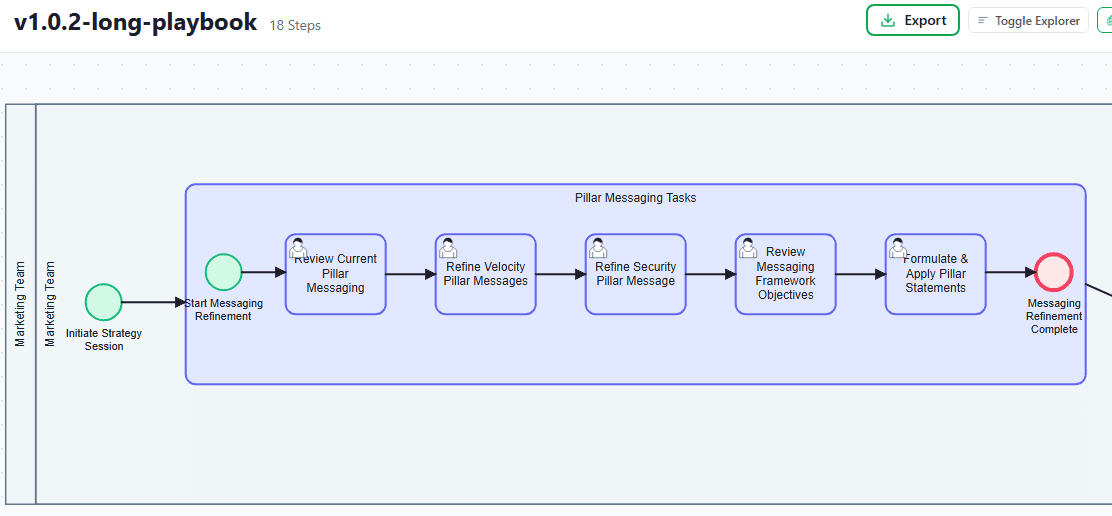
Bring BPMN diagrams and artefacts into the same workflow
PDDs rarely come from a single source. They’re usually stitched together from:
BPMN or process flow diagrams
Existing SOPs or reference docs
Screenshare walkthroughs or demo videos
LimeSync lets you combine these inputs in one place. The AI doesn’t just summarise — it connects context across sources, helping ensure the written PDD actually reflects the intended process flow.
Templates that match your way of working
Every organisation (and every BA) structures PDDs differently.
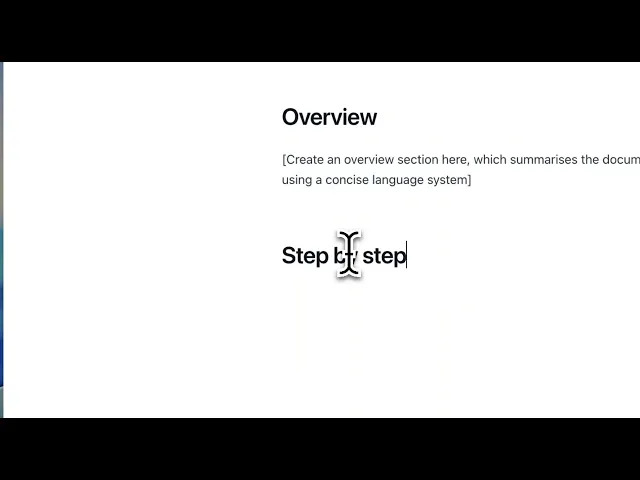
Instead of forcing a rigid format, LimeSync uses custom templates that Business Analysts define themselves. For example:
Sections for Current State, Future State, Assumptions, Exceptions
Explicit prompts to call out risks or unresolved decisions
Language and tone tailored for technical vs non-technical stakeholders
Once a template is set up, it can be reused across projects and clients — creating consistency without extra effort.
See a Demo below:
Faster alignment, fewer rewrites
Because PDDs are generated directly from source material:
Stakeholders recognise their own language and intent
Fewer misunderstandings creep in
Review cycles are shorter and more focused
Instead of debating what was said, teams can focus on what to do next.
Designed for real BA workflows
LimeSync isn’t trying to replace Business Analysts — it’s designed to give them leverage.
By automating the heavy lifting of transcription, structuring, and first-draft creation, BAs can spend more time:
Validating requirements
Improving process design
Collaborating with clients and delivery teams
The result: clearer PDDs, delivered faster, with less burnout.
If your PDDs start with client conversations, LimeSync helps you finish them.